Daily Vision Support
Twenty-one ingredients in a single capsule, led by the two yellow pigments that physically build up in the centre of the retina. Your body cannot make either of them, so every molecule has to arrive through what you eat.
Sold from the manufacturer's own order page. Not carried by Amazon, Walmart or pharmacy shelves.
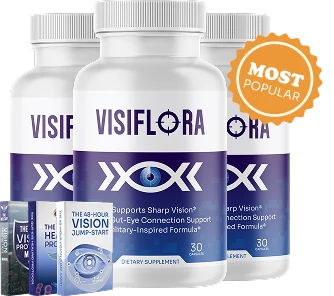
VisiFlora is a once-daily vision support capsule containing 21 named ingredients. It is led by lutein and zeaxanthin, the two carotenoids that accumulate in the macula, alongside astaxanthin and lycopene. The rest of the formula covers botanical extracts including bilberry, saffron, ginkgo biloba and grape seed, the compounds taurine and alpha lipoic acid, and a base of vitamins A, C and E with zinc, copper, selenium and chromium. One capsule is taken daily with food.
The shape of that list is worth noticing. Four carotenoids sit at the front, then a layer of botanicals, then a conventional vitamin and mineral base underneath. It is a wide formula rather than a deep one: twenty-one things in a single capsule means none of them can be present in a large amount.
Whether that breadth is a strength or a dilution depends on what you want from it. As a general daily foundation it covers more ground than a lutein capsule alone. If you were after a high single dose of one specific compound, this is not the shape of product that delivers it.
Macular pigment is a yellow layer sitting in the centre of the retina, made up of lutein, zeaxanthin and meso-zeaxanthin. Its density can be measured, and it does two things: it absorbs short-wavelength blue light before that light reaches the photoreceptors beneath it, and it acts as an antioxidant in tissue exposed to constant light. The body cannot manufacture these carotenoids, so every molecule of that pigment arrives through diet.
Macular pigment optical density is a measurable quantity, not a marketing abstraction. Clinics measure it. It varies widely between people, it is lower in smokers and in those with low dietary carotenoid intake, and it can be raised through diet or supplementation over a period of months.
The pigment absorbs most strongly in the blue part of the spectrum, the same range screens emit heavily. That is the mechanistic reason this class of nutrient keeps coming up in the context of screen exposure, and it is a filter sitting in front of the photoreceptors rather than in front of your face.
Humans synthesise neither lutein nor zeaxanthin. Kale, spinach, chard and other dark leafy greens are the richest sources; egg yolks supply less by weight but in a form that absorbs well. Anybody eating very few of these has little raw material for the pigment layer.
Screen fatigue has two separate causes, and a supplement addresses only one of them. The light-exposure and oxidative side is where carotenoids are relevant. The other side is mechanical: when you stare at a screen your blink rate drops by roughly half, which dries the eye surface, and your focusing muscles hold a near position for hours without relief.
No capsule fixes that second half. Deliberate blinking, breaks at distance every twenty minutes or so, and getting the screen below eye level do more for it than any supplement will. Anyone selling you a pill as the complete answer to screen fatigue is leaving out the part that costs nothing.
Each point below reflects what the relevant ingredient has been examined for in published research. None is a guarantee of outcome, and vision is an area where individual response to a supplement varies a great deal.
The carotenoid side of the formula is what is relevant here. Research has looked at visual comfort and fatigue measures in people with heavy screen exposure, which is the single most common reason people reach for an eye supplement at all.
How quickly vision settles after oncoming headlights or bright sun is one of the measures used in macular pigment research, and one people notice in themselves without needing a test to tell them.
The most direct claim the carotenoids here can support. Pigment density responds to sustained intake over months, which is the slow half of what this formula is doing.
The retina is among the most metabolically active tissue in the body and sits under constant light exposure. Astaxanthin, alpha lipoic acid, grape seed and the vitamin base all sit on this side of the formula.
Ginkgo biloba and bilberry are both included on a traditional and research basis around ocular blood flow — a mechanism distinct from the pigment story and worth separating from it.
Sustained near work is tiring for the same reasons screen work is. Whatever helps one tends to be reported for the other, since the underlying demand on the eye is similar.
Twenty-one named ingredients, grouped by the job each one does. Worth noting up front: the vendor markets this as a 22-in-1 formula but names 21 components, and publishes an amount for only one of them.
One of the two pigments that accumulate in the macula. Sourced commercially from marigold flowers, and the most studied single nutrient in the eye-supplement category.
Lutein's partner pigment, concentrated more tightly at the very centre of the macula where lutein is spread more widely. The two are almost always supplied together because that is how they occur and how they function.
A red carotenoid from microalgae, and the compound that makes salmon and flamingos pink. Studied for antioxidant activity and, separately, for eye-focusing fatigue, which makes it one of the more interesting inclusions here.
The red pigment in tomatoes. Not a macular carotenoid itself, included on the general antioxidant side of the formula.
A northern European relative of the blueberry, rich in anthocyanins. Its reputation in eye health dates to wartime anecdote about RAF pilots, a story with far less evidence behind it than its persistence suggests. The anthocyanin research is the real basis.
The world's most expensive spice by weight, and the subject of genuine clinical interest in retinal function specifically rather than as a general antioxidant.
Included for circulation. Also the ingredient with the best-documented interaction in this formula — see the cautions section if you take anything affecting clotting.
A source of proanthocyanidins, studied for vascular and antioxidant activity. Shares the antiplatelet caution with ginkgo.
A small European wildflower used in herbal practice for eye complaints since the Middle Ages. Included on traditional-use grounds; the modern evidence base is thin and worth saying so.
The source of forskolin, which has been studied in ophthalmology in relation to intraocular pressure. An unusual inclusion in a consumer eye formula.
An amino sulfonic acid present in high concentration in retinal tissue. Its role there is established; whether supplementing it changes anything in people who are not deficient is a separate question.
Unusual among antioxidants in being both water and fat-soluble, which lets it operate in environments most others cannot reach.
Two related flavonoids, studied for capillary and antioxidant activity. Quercetin carries a mild antiplatelet effect, which is relevant alongside the ginkgo and grape seed.
Essential to vision at the most fundamental level, since retinal, the molecule that converts light into a nerve signal, is made from it. The beta carotene form carries a specific caution for smokers, covered below.
The two classical antioxidant vitamins, both appearing in the AREDS research formulations that eye clinicians reference.
The one ingredient with a published amount. Zinc is highly concentrated in the retina and is a component of the AREDS formulations. Sustained zinc intake depletes copper, which is why copper appears alongside it here.
Copper balances the zinc. Selenium supports antioxidant enzyme systems and has a narrower safe range than most minerals. Chromium relates to glucose handling rather than to vision directly.
On the missing amounts: zinc at 11 mg is the only quantity the vendor publishes. For the other twenty ingredients you have names without numbers, and in a formula this wide that genuinely matters — a capsule holding twenty-one things cannot hold much of any one of them. The panel printed on the bottle is where to check, and nothing on this page should be read as confirming the doses match those used in the research described.
One capsule daily with food. The food part is not a formality, because lutein, zeaxanthin, astaxanthin, lycopene and vitamins A and E are all fat-soluble, and absorption of carotenoids improves substantially when they are taken alongside dietary fat rather than on an empty stomach. A meal containing some oil, butter, eggs, avocado or nuts does the job.
Clear it with a doctor first if you take blood thinners, if you smoke or used to, or if you are pregnant or nursing.
One capsule, with a meal rather than between them. This is the detail most often skipped and the one that most affects whether the carotenoids are absorbed.
Choose the meal with some fat in it. Eggs, avocado, nuts, oily fish or anything cooked in oil all work; dry toast and black coffee do not.
Keep the screen habits going alongside it — breaks at distance, deliberate blinking, screen below eye level. Those address the half of the problem no capsule reaches.
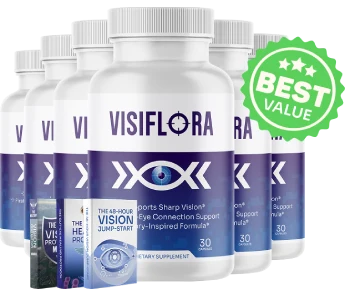
Three packages are offered against a $99 regular price per bottle. Two bottles are $79 each, $158 total, plus a shipping fee. Three bottles are $59 each, $177 total, with free US shipping. Six bottles are $49 each, $294 total, with free US shipping. All three packages include the same three bonus eBooks. Pricing was checked against the vendor in October 2026.
Starter package
Regular $99 a bottle
$79
per bottle
Ultimate package
Regular $594
$49
per bottle
Advanced package
Regular $297
$59
per bottle
Macular pigment responds over months, not weeks. That one fact does more to settle the package question than any discount does: two bottles runs out before the slow half of the formula has had a fair run at anything.
Three bottles is the smallest package covering a reasonable assessment period, and it is where free shipping begins — which narrows the real gap between it and the starter more than the headline prices suggest. Six brings the per-bottle price down another ten dollars and suits somebody already confident this is the right product, which realistically means somebody who has taken it before.
A note on the advertised savings. The order page claims savings of $434 on the six-bottle package and $302 on the three-bottle. Neither reconciles with its own $99 per-bottle regular price, against which the genuine figures are $300 and $120. We have used the arithmetic rather than the advertisement. Prices were verified in October 2026; the brand may revise them at any time, so treat the live order form as authoritative over anything printed here.
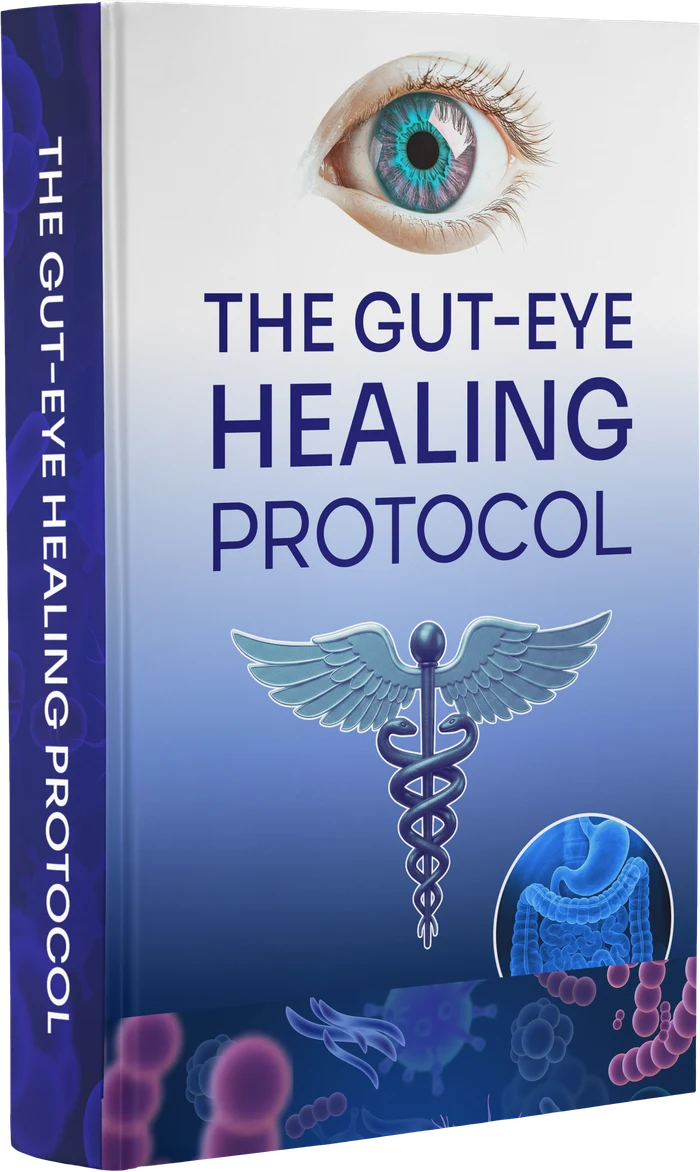
Three digital guides, and unusually for this category they are attached to every package rather than held back for the larger tiers. All are downloads delivered after checkout — nothing extra ships.
Bonus 1 · listed at $97Positioned around visual performance under demanding conditions, which is the framing the title suggests.
Bonus 2 · listed at $67On the relationship between digestion and nutrient absorption — which, given that this formula depends on absorbing fat-soluble carotenoids, is the bonus most directly relevant to getting value from the capsules.
Bonus 3 · listed at $50A short-format guide. Worth setting expectations honestly: nothing nutritional changes vision in 48 hours, so treat this as habit guidance rather than as a claim.
The dollar figures are the vendor's own listed values for the guides, not an independent valuation. They total $214 against a headline of "value over $200", which is one of the few numbers on that page that does add up.
Every package is covered for 60 days from purchase, opened bottles included. That second part is what makes the first part usable at all on a product you have to take daily for weeks before any assessment is possible.
Claims go through the vendor's customer support using the order number on your confirmation email, and the refund returns to the payment method you used.
One timing point worth putting in a calendar: the pigment side of this formula works over months while the refund window closes at 60 days. The decision point arrives before the assessment period ends, which is common in this industry but easy to be caught by.
Two cautions here are specific and well documented rather than generic. Both are worth raising before ordering rather than afterwards.
This formula supplies vitamin A as beta carotene. Two large trials in the 1990s found that high-dose beta carotene supplementation was associated with increased lung cancer incidence in smokers and asbestos-exposed workers, an unexpected result that changed how the nutrient is used. It is the reason the later AREDS2 research formulation replaced beta carotene with lutein and zeaxanthin. If you smoke or used to, take this one to a doctor specifically.
Three ingredients here carry antiplatelet activity: ginkgo biloba, grape seed extract and quercetin. Ginkgo in particular is among the better-documented supplement interactions with warfarin and similar medicines. Anyone on an anticoagulant or antiplatelet drug should raise this with their prescriber before starting.
If you already take a multivitamin, cod liver oil or another eye formula, add up the total vitamin A rather than counting per bottle. It is fat-soluble and accumulates, which is not true of the water-soluble vitamins people are more used to stacking.
The antiplatelet ingredients are a reason most surgeons ask about supplements before an operation. Mention it at the pre-op appointment, and expect to be asked to stop a couple of weeks beforehand.
Sudden vision changes, new floaters or flashes, a curtain or shadow across the field of view, or eye pain are all reasons to seek same-day medical attention rather than to adjust a supplement. VisiFlora is a dietary supplement for general vision support; it is not a treatment for any eye condition and does not replace an eye examination.
Two processes run at different speeds here, and expecting both at once is the usual reason people abandon a formula like this early.
Little to report, realistically. The antioxidant and circulatory components reach steady levels in this period but produce nothing dramatic, and anybody describing a transformation in week one is describing an expectation.
Where comfort changes tend to surface if they are going to: end-of-day tiredness, glare recovery, how a long screen session feels by evening. The 60-day refund window also closes in this stretch, which is worth noting.
The pigment timescale. Macular pigment density shifts over months of consistent intake, which is the slow half of this formula and the part no shorter trial can assess.
Responses vary considerably and some people notice nothing at all. That outcome is exactly what the guarantee is there to cover.
The carotenoid half is the part with a plausible mechanism — macular pigment absorbs blue-wavelength light, which screens emit heavily, and research has looked at comfort and glare measures in heavy screen users. What no supplement addresses is the mechanical half: blink rate halves at a screen and focusing muscles hold near position for hours. Breaks and blinking handle that, and they cost nothing.
Most of the actives are fat-soluble. Carotenoid absorption improves substantially in the presence of dietary fat, so a capsule taken with black coffee delivers considerably less than the same capsule taken with eggs. This is the easiest thing to get wrong and the cheapest to fix.
AREDS2 is a specific research formulation studied in people with established macular degeneration, with defined ingredients at defined doses. VisiFlora shares several of those ingredients but is a broader consumer formula with mostly undisclosed amounts, and it has not itself been through that kind of trial. If an eye doctor has recommended an AREDS2 formulation specifically, that recommendation is not interchangeable with this.
Only zinc, at 11 mg, has a stated figure. For a twenty-one-ingredient capsule that is a real limitation, because breadth and depth trade off against each other — the more things in a capsule, the less of each. The bottle panel is where to look when the order arrives.
Partly, and it is a reasonable thing to do regardless. Kale, spinach and chard are the richest lutein and zeaxanthin sources, and egg yolk supplies less by weight in a well-absorbed form. A supplement offers consistency rather than something food cannot provide.
No, and this matters more in vision than in most categories. Glaucoma and early macular degeneration are typically symptomless until they are not, which is the whole reason routine eye examinations exist. No supplement substitutes for one.
Check the overlap first. Vitamin A, zinc and selenium all appear in both this and most multivitamins, and all three accumulate or have narrower safe ranges than the water-soluble vitamins. Total intake is what matters, not the amount per bottle.
The vendor does not publish a count on the order page. At one capsule daily the packages are described as supplies of differing length, which implies a month per bottle, but that is an inference on our part rather than a stated figure.
No. It is sold through the brand's own ordering page. Listings elsewhere are unauthorised, carry no verifiable storage or age history, and fall outside the 60-day guarantee.
No. Each package is a single one-time purchase with no subscription and nothing that rebills.
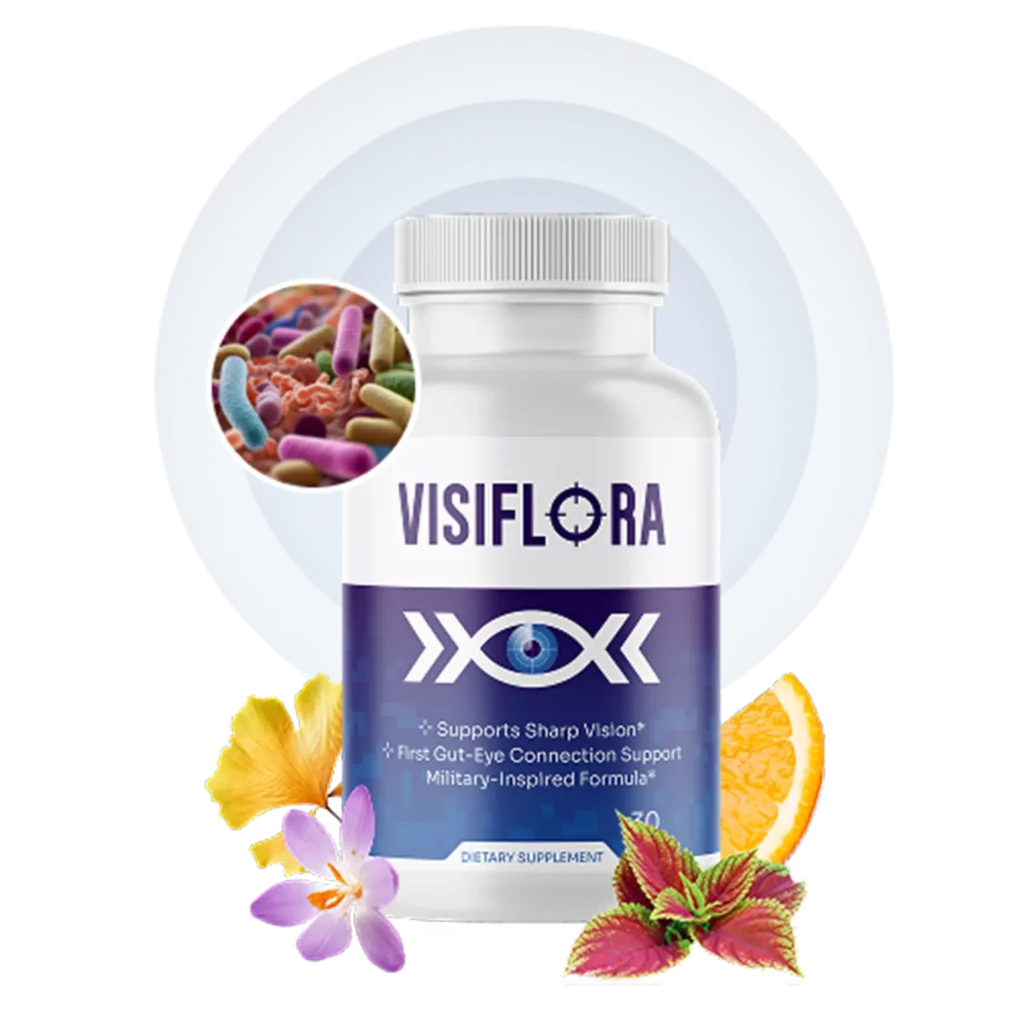
Six bottles at $49 each is the lowest per-bottle price with free US delivery. Three bottles is where free shipping starts and the smallest package covering a fair assessment period. All three tiers include the same three guides and the same 60-day guarantee.
Open the Official Order Page →That button passes you to the manufacturer's checkout. Completed orders earn this page a referral commission from the seller; nothing is added to your total.